
Hail Damage Car Repair, Write-Offs, and Replacement Options
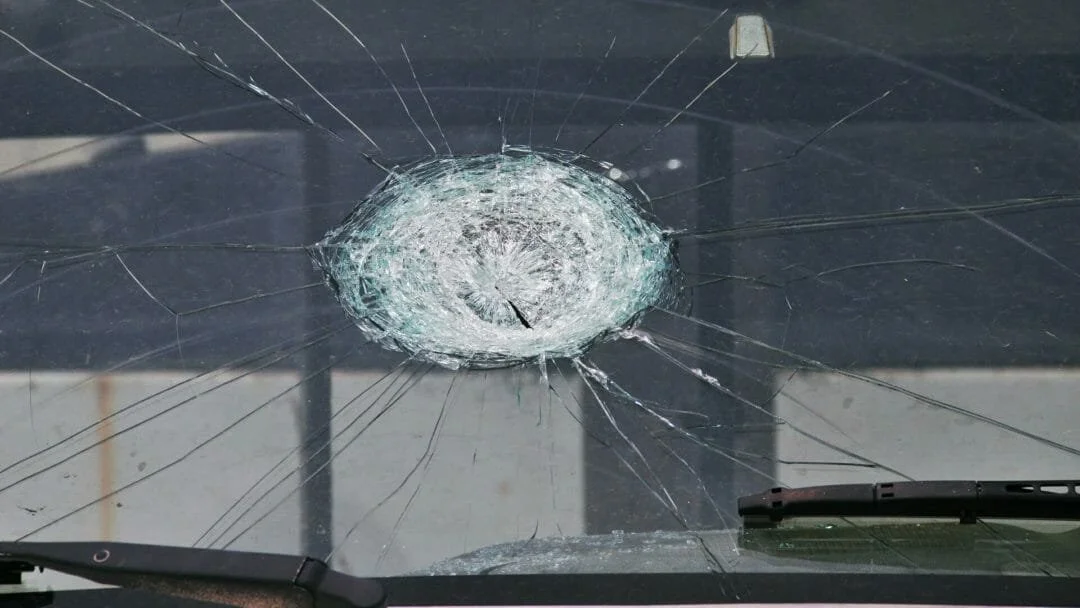
Storms are part of Australian life, but some storms can be more dangerous than others. After the recent hail storms across several cities, plenty of people are now facing an unwelcome surprise in the driveway: hail damage. And unlike a simple prang, hail damage car repair can be tricky for a few reasons.
Hail damage rarely happens to a single vehicle at once. Instead, whole suburbs or even whole cities are affected at once. The catastrophic 2020 hail storm in Canberra caused over $320 million worth of damage, while wiping out years of CSIRO research!
A hail damage write-off takes longer to process than normal write-offs.
Write-offs from hail damage don’t always mean the end of your car - it can get complicated.
As a result, the repair process is different when dealing with hail damage car repair. You also might need to manage without a car for a while, as insurers and repairers could be dealing with hundreds of people with the same problem.
Here’s a clear guide to navigating hail damage repair, insurance, write-offs, and how to get around in the meantime, including ways to keep moving without owning a car.

Does your insurance cover hail damage repair?
This is the most important thing to consider after your car is hail damaged. If your car insurance doesn’t cover hail damage, then you’ll have to pull out the proverbial cheque book to get your car fixed.
Typically, you need comprehensive insurance for hail damage to be covered. Third party property only covers the damage you cause to other people’s cars or property, not your own. In a two-car crash where someone else is at fault, their insurance may cover your repairs, but hail is a different story - it’s only your insurer who can help.
What to do if you’re not covered for hail damage
If you’re not covered by insurance, dealing with hail damage to your car is actually fairly simple, albeit expensive.
First, you’ll need to get any windscreen damage repaired to a safe standard. Learn what windscreen cracks are safe/legal to drive with here. If your windscreen is cracked to the point of it being illegal to drive, you’ll need a mobile windscreen repairer to visit you, or arrange a tow to a nearby smash repairer.
Your smash repairer will decide if the car is safe to drive and mechanically sound. If the hail damage hasn’t affected the mechanical integrity of the car, you may be able to keep driving it as is. If it’s not safe to drive, your smash repairer will give you a quote for the repair.
How much does hail damage repair cost?
Depending on the extent of the dents and panels involved, hail damage car repair can cost anywhere from $1,000 to over $10,000. In some cases it can be even more, especially if your car needs expensive replacement parts.
If your car is safe to drive it’s a mixed blessing. You’ve still got a car, but its value will drop significantly. The new value will depend on the model of car and amount of damage, but you could see a value drop of 10%-50%, sometimes more than 50%.
Depending on the damage, you may have to spend some time without a car. If that’s the case, you’ll want to think how to get around without one. Scroll down for a few ways to live without a car.
Dealing with hail damage when you are insured
When your car is comprehensively insured, hail damage repair will require a lot of time on the phone with your insurance company. The good news is that it should be a less expensive experience than if you didn’t have insurance.
First, contact your insurer. They’ll be busy with calls from other people in your area, so be patient when you get in touch. They’ll tell you what to do next, probably to get the car to a smash repairer, or to a Paintless Dental Removal (PDR) specialist. The insurer can arrange a tow if your car is unsafe to drive.
Once the vehicle has been assessed, the repairer or PDR specialist will determine whether it’s repairable or an economic write-off.
That repair could take a while, as there are likely hundreds of cars with hail damage in your area. In that case you should consider your alternative transport or car replacement options (Carshare like GoGet is a great one!).

Hail damage write-offs
When the quote for automotive hail damage exceeds the insured value of a car, it will be classified as an economic write-off.
What is an economic write-off?
An economic write off is when the cost to repair a car is more than the amount it’s insured for, which is generally 70% to 80% of the vehicles’ market value. In the case of an economic write-off your insurer will buy the car off you, for the value it’s insured for, as would happen in normal write-offs. Unlike a typical write-off, the car could still be safe to drive.
What happens after a write-off?
Two possible outcomes:
You may be able to buy the car back.
If the car is still safe and roadworthy, your insurer may let you purchase it at its new, lower market value. Check with your state or territory transport authority about re-registration requirements, as this process can be more complex once the vehicle is listed as an economic write-off.Your insurer pays out your policy.
If the vehicle can’t be bought back or your insurer doesn’t allow it, you’ll wait for the final payout. You may also be entitled to refunds for unused registration or insurance. Claims can take time, especially when insurers are dealing with storm backlogs, so expect a delay.
Either way, you might be car-free for a bit. Here’s how to keep moving in the meantime.

Alternative transport and car replacement
If the hail damage was bad enough that your car is being repaired or is written-off, you’re stuck without a car. How do you get around in the meantime? Assuming your insurance doesn’t offer car replacement (most don’t) you have a few options, depending on your needs.
Car share (like GoGet)
Yes, we’re biased, but car share is a great option for hail damage car replacement. You can book a GoGet by the hour or the day, so you only pay for the hours you actually drive. You also get the choice of a dozen different car types, like hatchbacks, SUVs, vans, and People Movers. You can use a different car for every trip.
GoGet suits most round trips, and combined with public transport and taxis or ride share, it offers an easy and cheap alternative to owning a car. Tens of thousands of GoGet members don’t own a car at all. With cars from $69/day - including fuel - it’s a great way to get around while you are without a car.
We’d love you to see if GoGet works for you. Join here to get a free first year membership trial on our GoStarter plan.
Car rental
If you have to commute by car or you drive for a living, an old-school rental car might make the most sense. They can get quite expensive though, so make sure you factor in the total cost, including rental insurance, extra kilometre charges, and fuel.
Public transport, taxi, and ride share
Depending on where you live, public transport might get you by. By supplementing public transport with taxi and rideshare when you need it, as well as some active transport (bike riding or walking) odds are good that you can manage without a car.
Of course, public transport doesn’t always make sense, like when there’s no station nearby, when you’re on a drive in the country, or a big shopping trip. GoGet can help in those situations, with cars available by the hour all over Sydney, Melbourne and Brisbane. Give it a try with a year’s free membership trial on our GoStarter plan.

Using your car’s hail damage to reset
Whether your car is repairable or written off, hail can be a chance to rethink how you get around.
If you buy another car, think about where you park during storms and whether you can shelter it. We’ve seen everything from yoga mats to inflatable covers used in a pinch.
If you end up living without a car for a while, you might find you don’t need one at all. Owning a car can cost over $9000 a year according to the RACQ. Some members turn their write-off payout into a holiday, thanks to switching to car share instead of buying another vehicle.
Whatever you choose, GoGet is here to help you get where you need to go, without the stress of car ownership.
Disclaimer: The information on this page is general in nature and does not take into account your personal situation. You should consider whether the information is appropriate to your needs, and where appropriate, seek professional advice.
