
Melbourne is the kind of place where wildlife likes to crash the party. Cockatoos screech overhead while you’re grabbing your morning coffee, magpies belt out their greatest hits from the nearest powerline, and possums emerge once the city winds down. Push past the suburbs, and the line between daily life and the bush gets blurrier, with kangaroos grazing near growing neighbourhoods and wetlands alive with birdlife.
You don’t have to go far to see that wild side up close. Melbourne Zoo brings conservation into the heart of the city, Healesville Sanctuary shifts the scene to the forests of the Yarra Valley, and Werribee Open Range Zoo serves up safari vibes without the long-haul flight. Within a couple of hours of the CBD, you could be watching penguins waddle home, spotting echidnas in the bush or trading traffic for open plains.
When you're ready to swap tram tracks for animal tracks, GoGet has your back. Book a car from a pod near you, pick a direction, and let your wild side loose at seven of Victoria's best wildlife sanctuaries, parks and conservation hotspots.
Victoria Wildlife Sanctuaries and Wildlife Parks Near Melbourne

Forty minutes from the tram stop. Nobody out here has heard of peak hour.
Melbourne Zoo
Just four kilometres north of the CBD, Melbourne Zoo is a wild little oasis tucked into the city. Set inside Royal Park’s urban bushland, it shares space with native birds, frogs, reptiles, microbats, and possums before you even reach the main exhibits.
Its bigger conservation story is Zoos Victoria’s Fighting Extinction program, which focuses on 27 threatened native species through breeding, research and recovery work. The Southern Corroboree Frog is one standout. Zoos Victoria breeds the species and releases eggs and tadpoles into wild populations while researching chytrid fungus.
The zoo also works with the critically endangered Baw Baw Frog. Its specialists established a conservation insurance population and became the first team in the world to breed the species successfully in captivity. Wildlife detection dogs even help researchers locate these tiny amphibians in the field.
💡 Pro tip: Melbourne Zoo is the only zoo in the world where you can see a Baw Baw Frog. It is roughly the size of a matchbox and easy to walk straight past, so slow down at the frog exhibit on the Main Trail.

Some people wait years for this. Others just drive an hour east.
Healesville Sanctuary
Healesville Sanctuary puts Australian wildlife front and centre across a stretch of remnant Yarra Valley forest, around 65 kilometres north-east of Melbourne. Five vegetation zones provide habitat for native wildlife and rare plants, including orchids found nowhere else in Victoria. If Healesville is the only stop you make, we have a full Healesville Sanctuary day trip guide to help you plan the day.
Its conservation work is closely linked to Zoos Victoria’s threatened-species programs. Visitors can learn about animals such as the Helmeted Honeyeater and Southern Corroboree Frog, with breeding programs designed to support recovery in the wild. A highlight is World of the Platypus, where visitors can watch these famously elusive monotremes forage and swim in a riverside-style habitat. Healesville has a particularly strong connection with the species, having become the first wildlife organisation in the world to successfully breed platypuses in captivity.
Also, save time for Spirits of the Sky, the sanctuary’s free-flight bird presentation. Depending on the day, you might see Wedge-tailed Eagles, Black-breasted Buzzards, Barking Owls or parrots demonstrating their natural behaviours overhead. You are also in the middle of Yarra Valley food and wine country, so lunch sorts itself out.
💡 Pro tip: Spirits of the Sky runs daily at 12pm and 3pm in the flight arena and it is included with admission. Build the rest of your day around one of those two slots rather than hoping to catch it.

No long-haul flight, no jetlag, no passport. Just the drive down the freeway.
Werribee Open Range Zoo
Hop on a safari-style ride at Werribee Open Range Zoo, and you’ll feel worlds away from the city, even though it’s only around 30 kilometres south-west of Melbourne. The free safari bus moves through wide-open landscapes where large animals roam, while the zoo’s location beside the Werribee River adds a local conservation story too.
Its grassland and wetland habitat supports native flora, waterbirds and even platypus. Werribee also participates in the Australasian Southern White Rhino breeding program, helping maintain a healthy and genetically diverse insurance population for the vulnerable species.
In 2026, five-year-old rhino Nyah arrived from Auckland Zoo to join the program. Visitors can also book a Raising Rhinos experience to learn how keepers care for these animals.

Stay for the evening tour. The daytime was only half the story.
Moonlit Sanctuary Wildlife Conservation Park
Less than an hour from Melbourne,Moonlit Sanctuary on the Mornington Peninsula is all about giving rare Australian species a fighting chance. Its conservation breeding programs include southern bettongs, Tasmanian devils, bush stone-curlews, spot-tailed quolls, orange-bellied parrots, and several glider species.
The sanctuary has bred orange-bellied parrots, bush stone-curlews and Julia Creek dunnarts for reintroduction projects. It also manages the national spot-tailed quoll population studbook, helping maintain genetic diversity.
During the day, visitors can get close to native wildlife including kangaroos and wallabies. Stay for an evening tour and nocturnal species become more active, offering a different look at some of Australia’s more elusive animals.
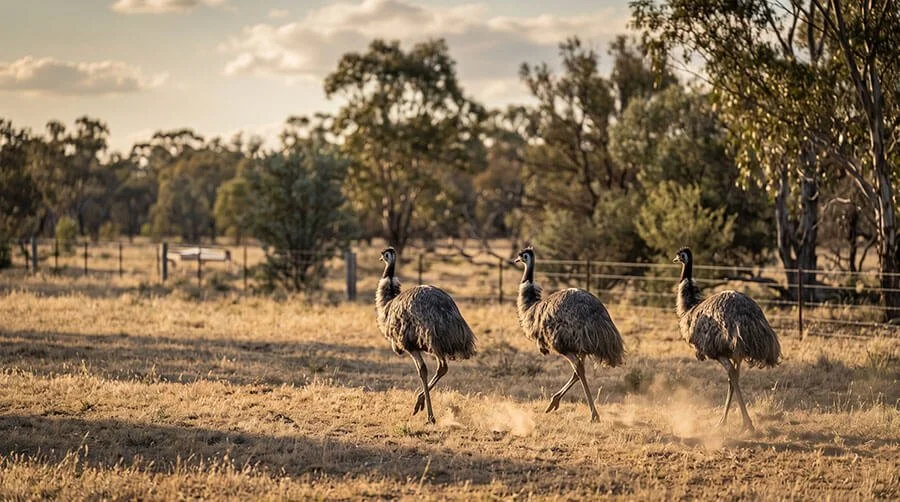
Nobody is in a hurry out here. Except, briefly, these three.
Kyabram Fauna Park
About 200 kilometres north of Melbourne, Kyabram Fauna Park makes the longer drive worthwhile with 55 hectares of parkland and wetland habitat. Its wetlands attract around 35 bird species each year and support threatened wildlife including the broad-shelled turtle.
Kyabram has a resident wild population of broad-shelled turtles that has successfully bred within the wetlands, so the park is supporting the species in its natural habitat. The turtle also has cultural significance as a totem of the local Yorta Yorta people.
Birdwatchers and freshwater wildlife fans can wander in search of turtles, waterbirds, emus, and other species, then settle into one of the picnic areas with a spread worthy of Melbourne's best picnic spots.
💡 Pro tip: Kyabram opens at 10am and closes at 5pm, and it is a two hundred kilometre run each way. Leave Melbourne by 8am or the drive eats the visit.

Tower Hill Wildlife Reserve
Tower Hill Wildlife Reserve flips the usual zoo experience: instead of peering into enclosures, you step into the animals’ world. Around 280 kilometres west of Melbourne near Warrnambool, the reserve protects wetlands, grassland, and bushland inside the crater of a dormant volcano.
The landscape supports echidnas, turtles, waterbirds, wallabies, koalas, and emus. The Lava Tongue Boardwalk passes through some of the reserve’s best habitat, giving visitors a chance to spot wildlife without disturbing it.
Worn Gundidj Aboriginal Cooperative manages the visitor centre and offers guided tours combining wildlife with Aboriginal cultural knowledge. Tower Hill also fits neatly into a Great Ocean Road trip, and if there are kids in the back seat, our guide to road trips with kids will earn its keep on the way down.
💡 Pro tip: The reserve itself is free to enter. The Worn Gundidj cultural tours are the part worth planning around, so ring the visitor centre before you drive down to check what is running that day.

The whole beach falls quiet. Then the smallest penguins on earth come ashore.
Phillip Island Nature Parks
About 90 minutes from Melbourne, Phillip Island is home to one of Victoria’s most recognisable wildlife spectacles. Each evening, little penguins return from the Southern Ocean to their colonies at the Penguin Parade, while elsewhere in Phillip Island Nature Parks you can spot koalas from treetop boardwalks at the Koala Conservation Reserve. The organisation protects almost 2,000 hectares of beaches, bushland and wetlands, with visitor revenue helping fund its wildlife research and conservation work.
For an even closer encounter, add the nearbyPhillip Island Wildlife Park to your day. This independently operated 60-acre park, just two kilometres from Cowes, is home to more than 100 species of Australian animals. Kangaroos and wallabies roam freely through parts of the grounds, where visitors can hand-feed them, while raised boardwalks offer eye-level views of koalas. You can also spot species ranging from red kangaroos and Parma wallabies to some of Australia’s less commonly seen native animals.
Together, the two experiences show different sides of Phillip Island’s wildlife: close-up encounters by day, followed by little penguins waddling home from the ocean at sunset.
💡 Pro tip: The Penguin Parade happens after sunset, so you are driving home in the dark on a long weekend road. Book the car for the full day so you can relax and not have to worry about getting back quickly.
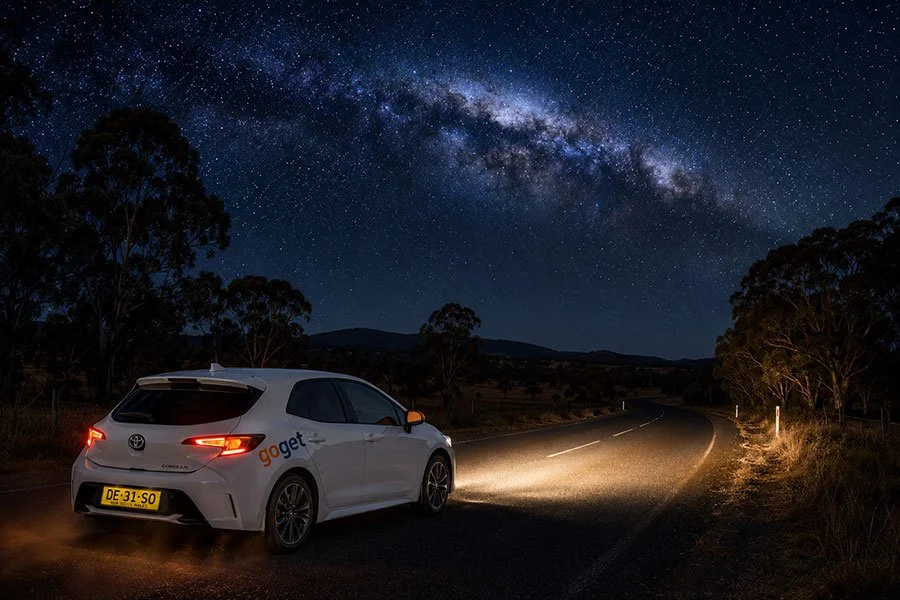
One car, seven sanctuaries, no timetable. Pick a direction and go.
Which Wildlife Escape Is Right for You?
The best choice depends on the kind of wildlife day you want. Moonlit Sanctuary suits visitors who want close encounters and a look at conservation breeding, Tower Hill is ideal if you’d rather search for free-ranging animals in a volcanic landscape, and Phillip Island is the pick for a coastal adventure capped off by the famous Penguin Parade.
Kyabram rewards birdwatchers and wetland lovers, while the other parks bring everything from forest wildlife to open-range safari experiences into road-trip reach. Each destination tells a different conservation story, whether that means breeding endangered species, protecting habitat or supporting recovery in the wild.
So pack a picnic, choose your wildlife fix, and hit the road. If you are travelling with kids, these family adventures around Melbourne will fill out the rest of the weekend. With GoGet, you can be out of Melbourne faster than a magpie swooping you in spring.
Wild things, meet your weekend
You have been meaning to take everyone somewhere better than the local park since autumn. Book the car, pick a direction, and go. A platypus before lunch, a wedge-tailed eagle overhead at midday, penguins coming up the sand at dusk. No fuel bill, no hire desk queue at 8am. Join GoGet and pick your first sanctuary.
